
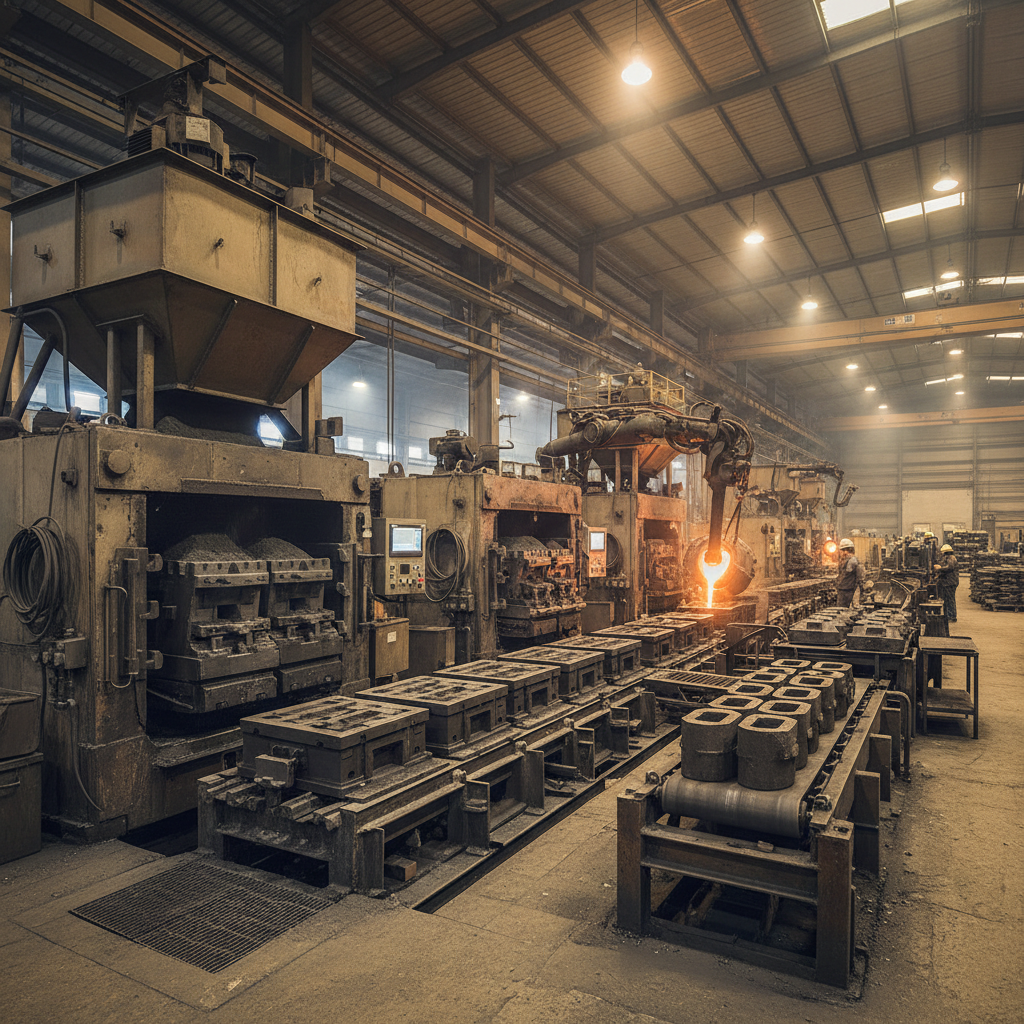
Built for the
Next Million
Molds.
Green-sand molding lines, mullers, and jolting machines engineered for production floors that can't afford downtime. Compare your current equipment cost against 15 years of Foundry operation.
While competitors show wear patterns,
your line keeps pouring.
By month 36, the difference in maintenance hours alone has cost the average Osborn operator 312 hours of production time. Here's the full picture.
| Metric | FOUNDRYYour Equipment | OsbornCompetitor | SimpsonCompetitor |
|---|---|---|---|
Cycle Time (avg) sec/mold | 4.2Best | 6.8 | 7.1 |
Planned Maintenance hrs/month | 6Best | 14 | 16 |
Unplanned Downtime hrs/month | 1.2Best | 4.8 | 5.6 |
Sand Scrap Rate % of pours | 1.4%Best | 3.2% | 3.7% |
Energy Draw (muller) kWh/ton sand | 4.1Best | 6.3 | 6.8 |
First Bearing Replacement years | 7+Best | 2.5 | 2.8 |
They're buying new equipment.
You're pouring iron.
At year 7, the average Osborn installation has gone through one full replacement cycle. Foundry equipment is still within original bearing spec. Here's what that looks like in metal.
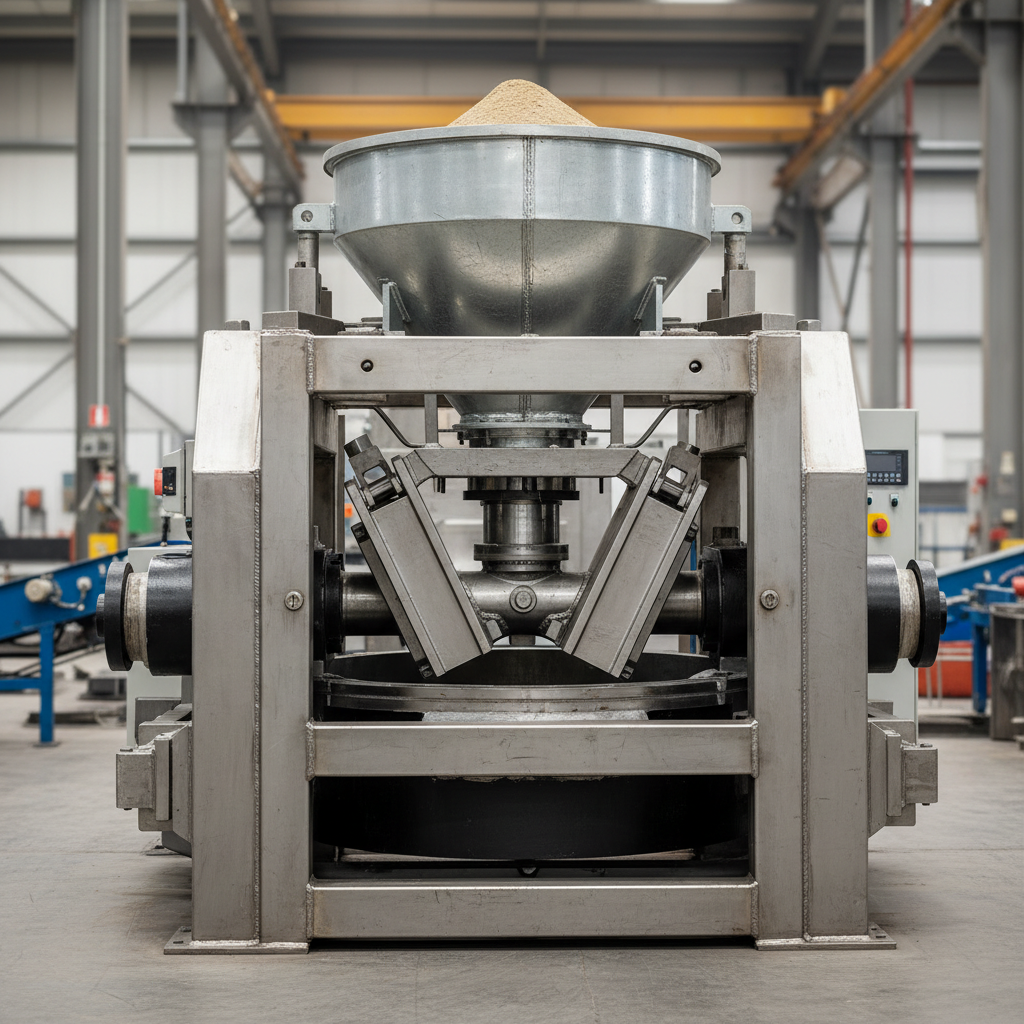
HD-9 Muller System
Variable-frequency drive eliminates resistor banks. Sealed planetary gearbox. No muller arm realignment for first 7 years under rated load.
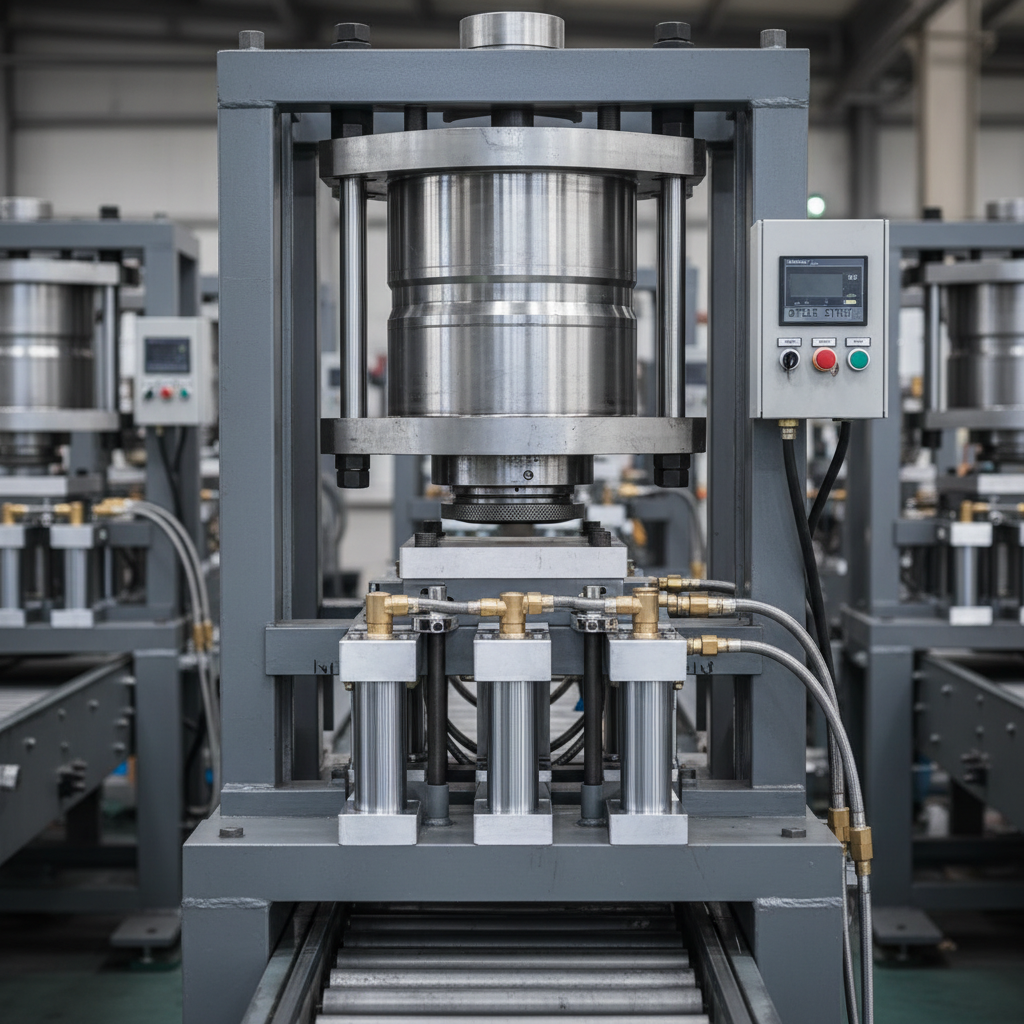
JM-4 Jolting Machine
Hardened-chrome ram bore. Polymer-cushioned anvil. No cylinder rebore required for 10,000+ hours at rated stroke.
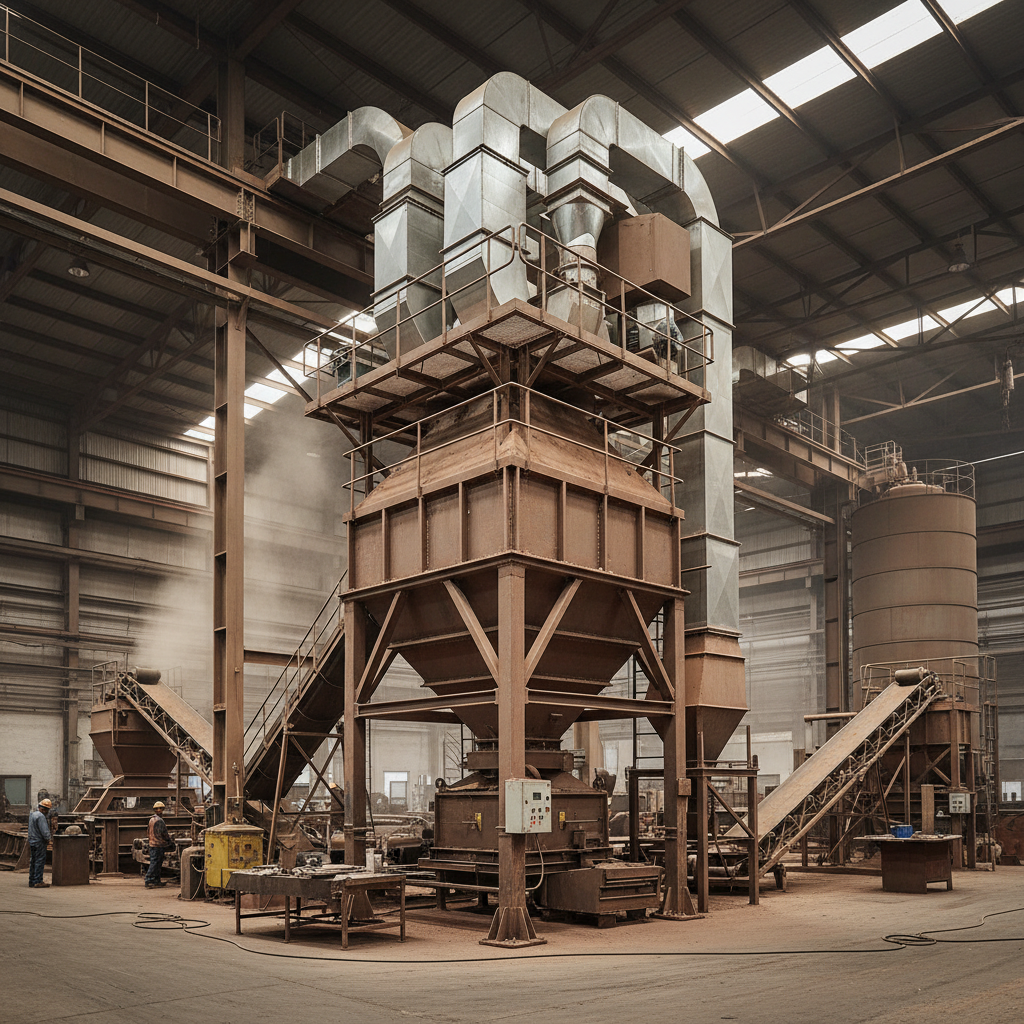
SR-6 Sand Reclaimer
Magnetic separator removes ferrous inclusions before sand reuse. Thermal reclamation option. 94% sand recovery reduces purchase cost by $18/ton.
Wear Pattern Analysis — Year 7 Inspection Data
The math has already
made the decision.
Over 15 years at 480 molds/shift, three shifts/day, the accumulated cost difference between Foundry and a competitor line reaches $2.48M. That's not projection — it's aggregate field data from 340 active installations.
Cumulative Cost of Ownership (USD, $000s)
Enter your equipment and shift data.
Get your numbers in minutes.
Tell us your current equipment brand, molds per shift, and scrap rate. We'll deliver a personalized TCO comparison PDF to your inbox — formatted for your purchasing manager.
From the floor managers
who run the numbers.
Every quote below is from a production manager or plant engineer. No marketing department involved.
We ran our Osborn line for 11 years. By year 4 we were replacing bearings quarterly. The Foundry JM-4 has been in production 6 years — original bearings, zero unplanned stops. That's not marketing. That's my maintenance log.
The TCO calculator they ran for us showed $1.9M savings over 12 years. I was skeptical. We're at year 5 now and we're tracking exactly to their model. The scrap rate drop alone paid for the muller in 18 months.
We poured our 10 millionth mold last April on a Foundry line installed in 2017. Never touched the muller arms. Never rebored a cylinder. When our purchasing director asked why we hadn't budgeted for replacement, I showed him this page.
Simpson quoted us a full replacement at year 6. We'd just installed Foundry at year 0. By year 6 we were comparing maintenance logs side-by-side with a competitor down the road. The difference was embarrassing for them.
Four plants, all Foundry HD-9 mullers. Consistent compactability across all lines — ±0.4% versus the ±1.8% we had with our old equipment. Scrap is down across the board. The VFD alone cut our energy bill by $3,200/month.